Food Insecurity Concerns Rise Amid Senate Races in Key States
As the U.S. gears up for significant Senate races, food insecurity becomes a spotlight issue in several states encountering steep increases. The challenge presents a potential stumbling block for Republican candidates.
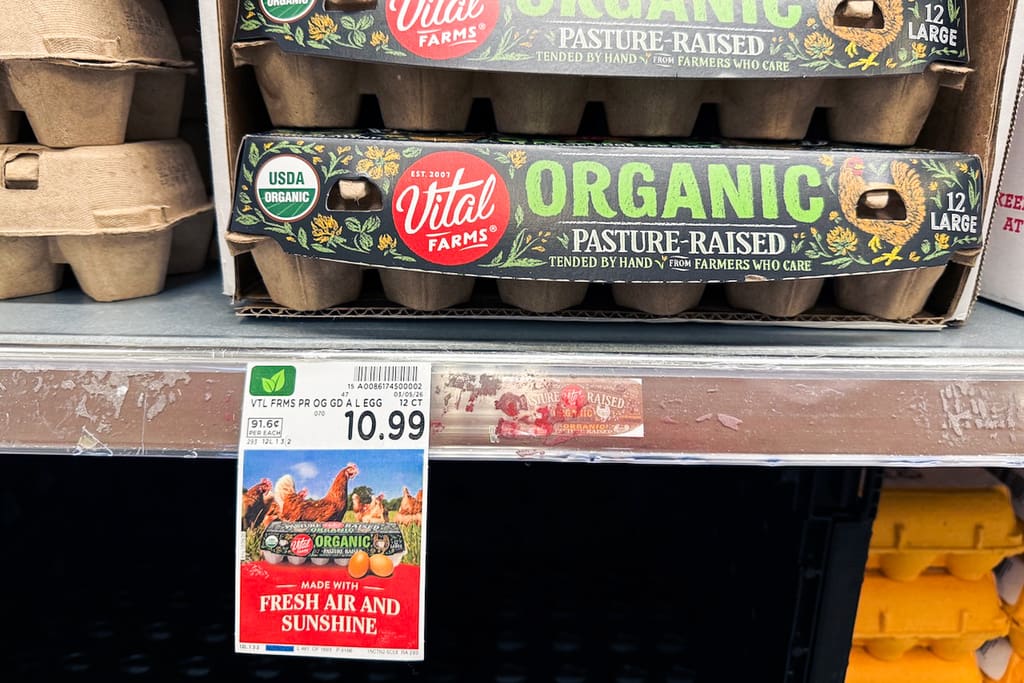
The Bureau of Labor Statistics highlighted notable grocery price hikes in 2025, attributing them to inflation and former President Donald Trump’s tariff policies. For instance, banana prices rose by 5.9%, while coffee costs increased nearly 20%.
The situation worsened for many Americans due to SNAP cuts enacted by the One Big Beautiful Bill Act (OBBB). Over the next eight years, these changes are expected to significantly affect about 4 million Americans who currently rely on food assistance.
“I’ve already had to make cuts to my grocery list,” Nikki, a mother from Iowa, shared with Unrig Our Economy. “I don’t know how families like mine are going to make ends meet.”
Across states, the average grocery cost escalation was notable: 4.75% in Ohio, 4.3% in Maine, 3.9% in Florida, and 3.8% in Texas. Alaska’s increase was 2.9%, but the state already contends with some of the highest food prices due to its remote location and fuel costs.
Senators and the OBBB Decision
Republican senators, each facing re-election in 2026, represent these states. Ohio’s Sen. Jon Husted supported OBBB, despite the Urban Institute analysis indicating potential jeopardy for food assistance to 717,000 Ohio families. Feeding America reports that one in seven Ohioans face food insecurity.
In a January 2026 interview, Husted argued for the cuts, stating, “Our work ethic is broken,” and urging Ohioans to work harder amid rising costs.
In Maine, where 100,000 families risk losing food assistance and one in five children face hunger, Sen. Susan Collins’ stance is under scrutiny. Although she didn’t vote for OBBB, her June 2025 vote to advance the bill facilitated its passage.
Response from Other Republican Senators
Florida’s Sen. Ashley Moody, Texas’s Sen. John Cornyn, and Alaska’s Sen. Dan Sullivan all supported OBBB and praised its passage. Moody and Cornyn labeled the legislation a historic success in their respective press releases available here and here.
Sullivan claimed no state benefited more than Alaska, despite the law potentially affecting food assistance for 27,000 families, equating to about 4% of the state’s population. More details are available here.
House Republicans and the OBBB Impact
Several House Republicans pursuing Senate seats also confront questions about OBBB’s impact. Iowa Rep. Ashley Hinson, who supported OBBB, faces scrutiny as food costs in her state rose 3.7%, affecting 134,000 residents.
In Georgia, Reps. Buddy Carter and Mike Collins vie for a Senate nomination. Both supported OBBB, with Carter emphasizing his role in passing the legislation in a press release.
These lawmakers face public scrutiny, as highlighted by a November 2024 Data for Progress survey that showed 78% of voters favor SNAP. Additionally, an Associated Press poll from the same period indicated half of Americans desire increased SNAP funding.
Democratic governors alerted congressional leaders in a June 2025 letter about potential SNAP cut repercussions, including rising hunger and economic downturns.