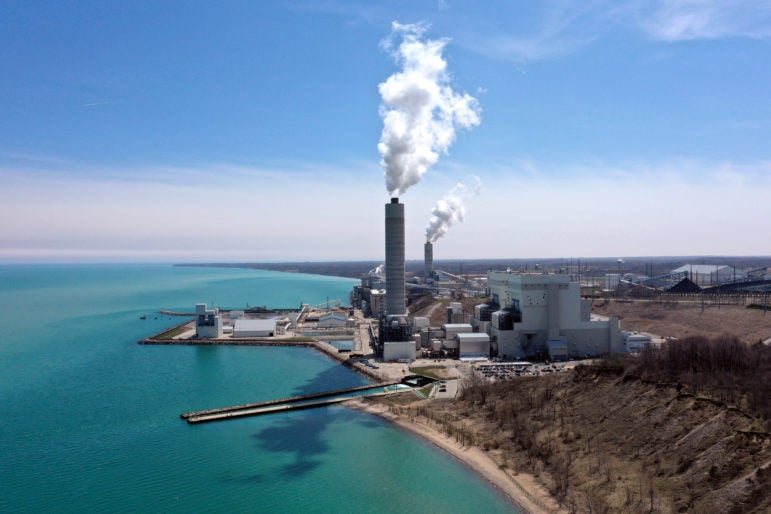
In a move that reflects ongoing challenges in the energy sector, We Energies has decided to delay the closure of its aging coal units at the Oak Creek Power Plant. The decision comes amidst increasing regional power demands and concerns over energy reliability.
Extended Operations for Units 7 and 8
The coal units, known as Units 7 and 8, which began operation in the 1960s, were initially set to shut down by the end of this year. However, their retirement has been postponed multiple times, now extending their operational life through 2027. The plant previously saw two other coal units retire in 2024, following a one-year deferment.
Rising Energy Demands
The decision to keep these units running is partly due to a forecasted surge in energy consumption, driven by new data center projects in Mount Pleasant and Port Washington. According to testimony submitted to the Public Service Commission of Wisconsin, these developments could potentially double the energy demand for We Energies by 2030.
Ensuring Reliability and Affordability
We Energies’ parent company disclosed in a U.S. Securities and Exchange Commission filing that maintaining the coal units aligns with efforts to ensure “reliability and affordability for We Energies customers.” The filing highlighted recent challenges, including last winter’s tight energy supply and high costs during extreme cold, which underscored the necessity of keeping these units operational.
Brendan Conway, a spokesperson for We Energies, emphasized the importance of available power during critical times, such as January’s severe cold spells when temperatures “plunged well below zero.”
Transitioning to New Energy Sources
The company plans for these units to serve as a temporary measure until new energy generation resources become available in late 2027. The Public Service Commission of Wisconsin has already approved the construction of new natural gas plants in Oak Creek and Kenosha County, anticipated to be completed by winter 2027 or summer 2028.
Criticism from Environmental Groups
Environmental organizations have voiced strong opposition to the deferral, citing inadequate planning and the environmental impact of coal. Amy Barrilleaux of Clean Wisconsin criticized the continued reliance on coal, stating, “We Energies still clinging to this outdated, expensive and harmful way to produce electricity in this day and age is really outrageous.” She expressed doubt about the utility’s commitment to transitioning to cleaner energy sources.
Echoing these concerns, Jadine Sonoda from Sierra Club Wisconsin highlighted the utility’s investments in fossil fuels, including plans to purchase additional plants in Kenosha and Walworth counties. “There are more ways to be reliable than building new gas plants that are really expensive,” she commented.
Future Energy Goals
Although We Energies’ parent company has pledged to eliminate coal usage by 2032, Barrilleaux questioned the enforceability of such commitments. “There’s nothing binding a power company in Wisconsin to follow any of those things,” she noted, expressing skepticism about the 2027 retirement timeline for the Oak Creek coal units.
As the energy landscape continues to evolve, the debate over balancing reliability, affordability, and environmental impact remains a critical issue for stakeholders and communities alike.