Innovative Program Offers New Path for Individuals Struggling with Addiction
In a groundbreaking approach to law enforcement, the Law Enforcement Assisted Diversion (LEAD) program is transforming how officers handle minor drug offenses. Instead of resorting to incarceration, officers can now direct individuals with small amounts of narcotics to social workers, providing a chance to access vital support services without facing criminal charges.
Governor Josh Stein’s recent funding boost will enhance LEAD initiatives across various police departments, including Fayetteville, Albemarle, Gaston County, Greensboro, and several sheriff’s offices. This financial support aims to strengthen the program’s reach and effectiveness in offering compassionate intervention.
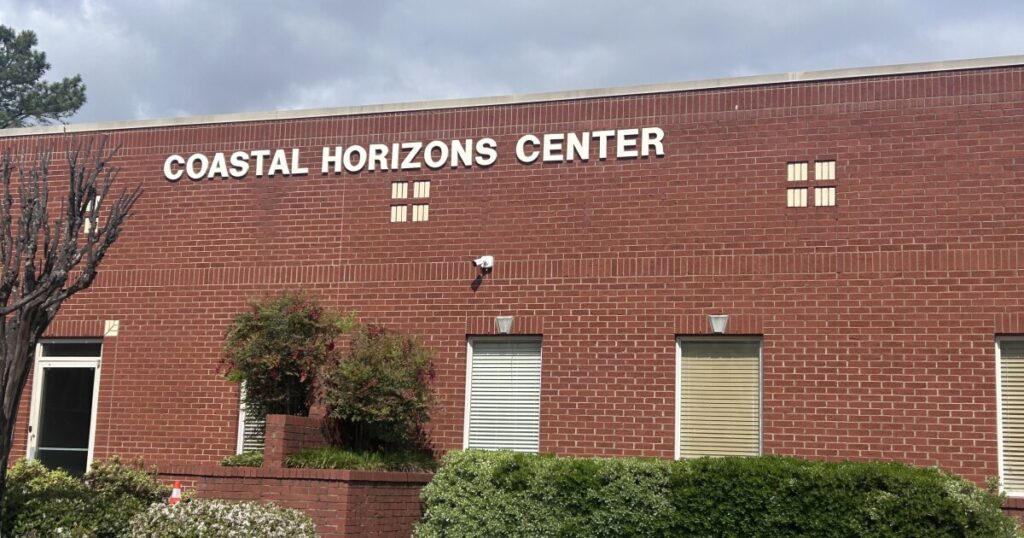
Jamie Melvin, Justice Services Director at Coastal Horizons, which operates LEAD in Wilmington, highlights the program’s non-judgmental approach. “Our doors are open, and the hope is that they’re not ready today, that they will be tomorrow or a year from now, or two years from now, and they still know they can come back and access that care,” Melvin stated.
LEAD provides participants with essential resources, including clothing, housing access, detox services, and transportation to medication-assisted treatment appointments. By addressing these barriers, the program aims to dismantle obstacles to recovery.
The additional funding allows for closer collaboration between Melvin and the Wilmington Police, enhancing efforts that previously focused primarily on the Sheriff’s Department. The program’s success in preventing young individuals from entanglement in the justice system is evident in stories like that of a teenager who avoided legal consequences through timely program enrollment, as shared by Billy McGowan of Coastal Horizons.
“They reported to us the next day and began working with our peer support and our team. And this charge was diverted, or the DA agreed to dismiss it,” McGowan explained, noting the long-term engagement of participants beyond the initial meeting.
An analysis by Duke University underscores the program’s impact, revealing a significant increase in service usage among participants and a marked reduction in arrests and charges. “Service use increased substantially in the 12 months following program enrollment—only 34% of participants had used any behavioral health service in the 12 months before enrollment, while 71% of participants did in the 12 months after enrollment,” the analysis found.
With the N.C. Harm Reduction Coalition spearheading the grant, the focus remains on harm reduction rather than compulsion. By meeting individuals where they are, whether through rehab enrollment, halfway house placement, or clean needle access, LEAD prioritizes safety and well-being throughout the recovery journey. The grant will also enable New Hanover County to expand staff, increase referrals, and foster closer collaboration with the Wilmington Police Department.
While the community-specific grants may vary, the overarching mission remains constant: to broaden access to harm reduction programs and support individuals navigating addiction, offering a path to recovery on their terms.