Federal Court Blocks Pisgah-Nantahala Forest Plan Over Endangered Species Concerns
A recent federal court decision has put a halt to the U.S. Forest Service’s initiative for the Pisgah-Nantahala National Forest, citing violations of the Endangered Species Act. The proposed plan, which raised alarms among conservationists, involved a significant increase in logging that could threaten the forest’s ecosystem and its inhabitants.
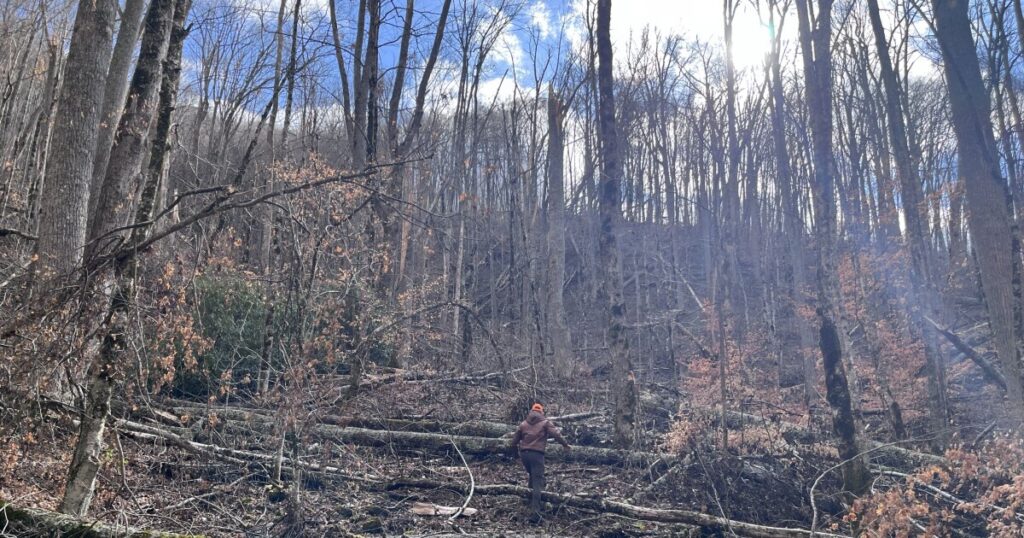
The plan’s inadequacy was underscored by the court’s finding that it failed to consider the potential habitat destruction threatening four endangered bat species. Environmental groups, including MountainTrue, Defenders of Wildlife, Sierra Club, and the Center for Biological Diversity, had earlier taken legal action against the Forest Service. Their lawsuit argued that the plan neglected crucial considerations, especially after Hurricane Helene devastated 187,000 acres of public land.
Josh Kelly, MountainTrue’s Resilient Forests Director, expressed concerns: “That fell short of protecting the important qualities of the forest, like clean water and important wildlife habitat.” Feedback from regional stakeholders during the plan’s revision process, which began in 2013, echoed similar sentiments about excessive logging.
The Endangered Species Act mandates that federal agencies coordinate with the Fish and Wildlife Service to prevent harm to endangered species. This coordination should guide the environmental impact statement essential for any federal project. Despite the Forest Service’s initial 2021 claim that the plan would not adversely affect any species, it later reversed its stance, acknowledging potential impacts on four bat species’ habitats.
Kelly pointed out flaws in the plan’s assumptions: “The Forest Plan had claimed that conditions for endangered bats were going to improve based on some very flawed assumptions that increased logging would improve bat habitat across the board.” He added that while logging might benefit the Indiana bat, it adversely affects other species like the gray bat due to water sedimentation.
Spencer Scheidt, representing the Southern Environmental Law Center, emphasized the need for a revised plan that prioritizes endangered species. “This is kind of new territory,” Scheidt noted, expressing uncertainty about the next steps. He suggested that the Forest Service might revert to the 1994 plan, which aligns with the Endangered Species Act.
Facing the court’s decision, the Forest Service might consider an appeal or choose to ignore the ruling, potentially inviting further legal challenges. A Forest Service statement to BPR confirmed their commitment to understanding and adhering to federal environmental laws.