Wisconsin’s Election Betting Laws: What You Need to Know
The digital age has introduced new avenues for gambling, with platforms like Polymarket and Kalshi allowing individuals to place bets on political outcomes. However, residents in Wisconsin should be cautious, as participating in election betting could have serious consequences.
Ann Jacobs, Chair of the Wisconsin Elections Commission, recently took to social media to remind voters about the state’s stance on election betting. In her public post, she stated, “I know it’s all the rage to bet on everything, but you cannot bet on an election in Wisconsin!” She further warned, “If you do, your ballot can be challenged & thrown out. So go vote and save your $ for playing Euchre with your uncle!”
The cautionary message comes as these platforms report over $30,000 in bets on Wisconsin’s gubernatorial race, sparking concerns over the legality of such actions. According to Wisconsin’s historical statutes, the prohibition on election betting dates back to 1849. The law prohibits anyone with a wager on an election from voting in that election.
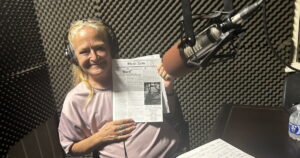
In conversation with Wisconsin Public Radio, Jacobs, who has been part of the state’s elections commission for ten years, noted that no ballots have been challenged so far due to election betting. “No, the state is not going out and issuing search warrants to betting platforms to cross reference against voters,” she mentioned. Yet, she speculated that social media posts bragging about bets could potentially lead to reports and challenges.
While Wisconsin’s law might seem unique, similar restrictions exist in other states, including Texas and Arizona. Recently, Arizona Attorney General Kris Mayes announced criminal charges against Kalshi Trading LLC for illegal gambling activities related to election betting. The company, along with others, has defended itself by arguing that it operates as a financial marketplace rather than a gambling site.
As online platforms continue to blur the lines between betting and financial trading, states like Wisconsin maintain a firm stance on preserving the integrity of their electoral processes by enforcing these longstanding laws.