
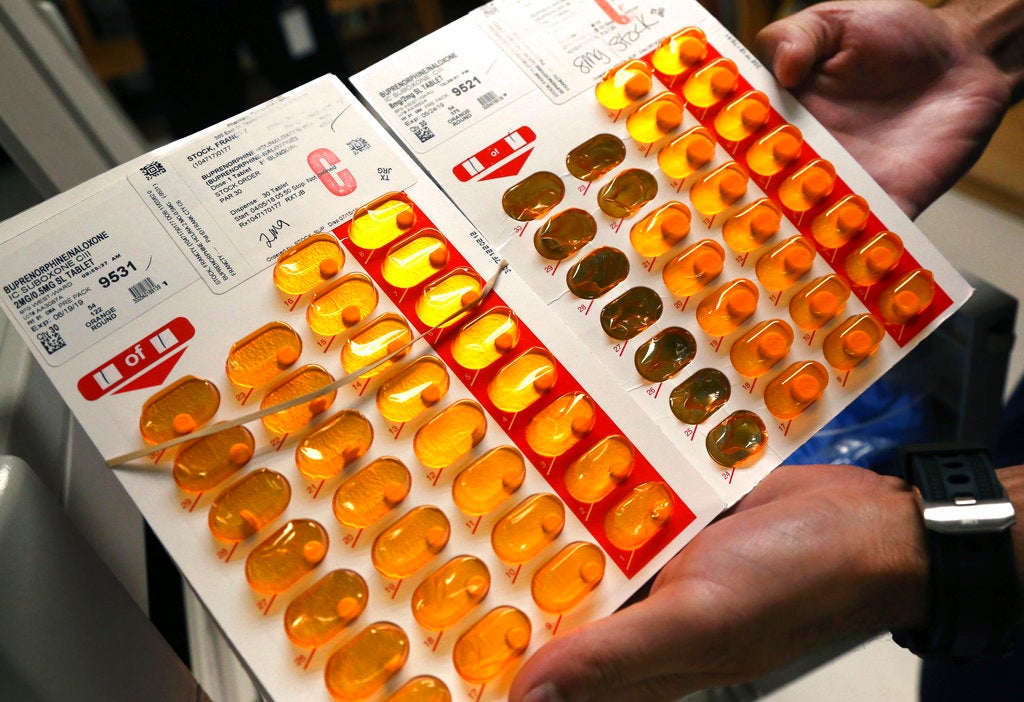
Wisconsin is making strides in addressing substance use disorders within its correctional facilities, a move that holds promise for reducing overdose deaths among released inmates. Recent reports indicate a significant increase in the availability of medications for opioid use disorder in prisons and jails across the state.
The Wisconsin Policy Forum has highlighted this expansion, revealing that all adult facilities under the Wisconsin Department of Corrections now offer medications like naltrexone and buprenorphine to inmates. Similarly, a majority of county jails have joined this initiative, though at least eight jails remain without such programs.
Research emphasizes the critical nature of this development. A 2023 study identified opioid overdose as a leading cause of death post-release, while a National Institutes of Health study found that in-custody treatment reduces overdose risk.
According to the Wisconsin Policy Forum, medication-assisted treatment not only curbs overdose fatalities after release but also aids those still incarcerated. The medications, including buprenorphine, methadone, and naltrexone, alleviate withdrawal and reduce cravings.
From 13 facilities in 2021, all 36 state adult correction facilities now facilitate access to naltrexone or continue buprenorphine prescriptions. Similarly, 53 out of 65 surveyed county jails now provide at least one medication for opioid use disorders.
President of the Wisconsin Policy Forum, Jason Stein, noted that over 4,000 detainees received treatment in 2024, reflecting a broadening access to these critical medications. However, he acknowledged ongoing challenges, stating, “There are now 24 counties that provide some access to methadone, but that is still a minority.”
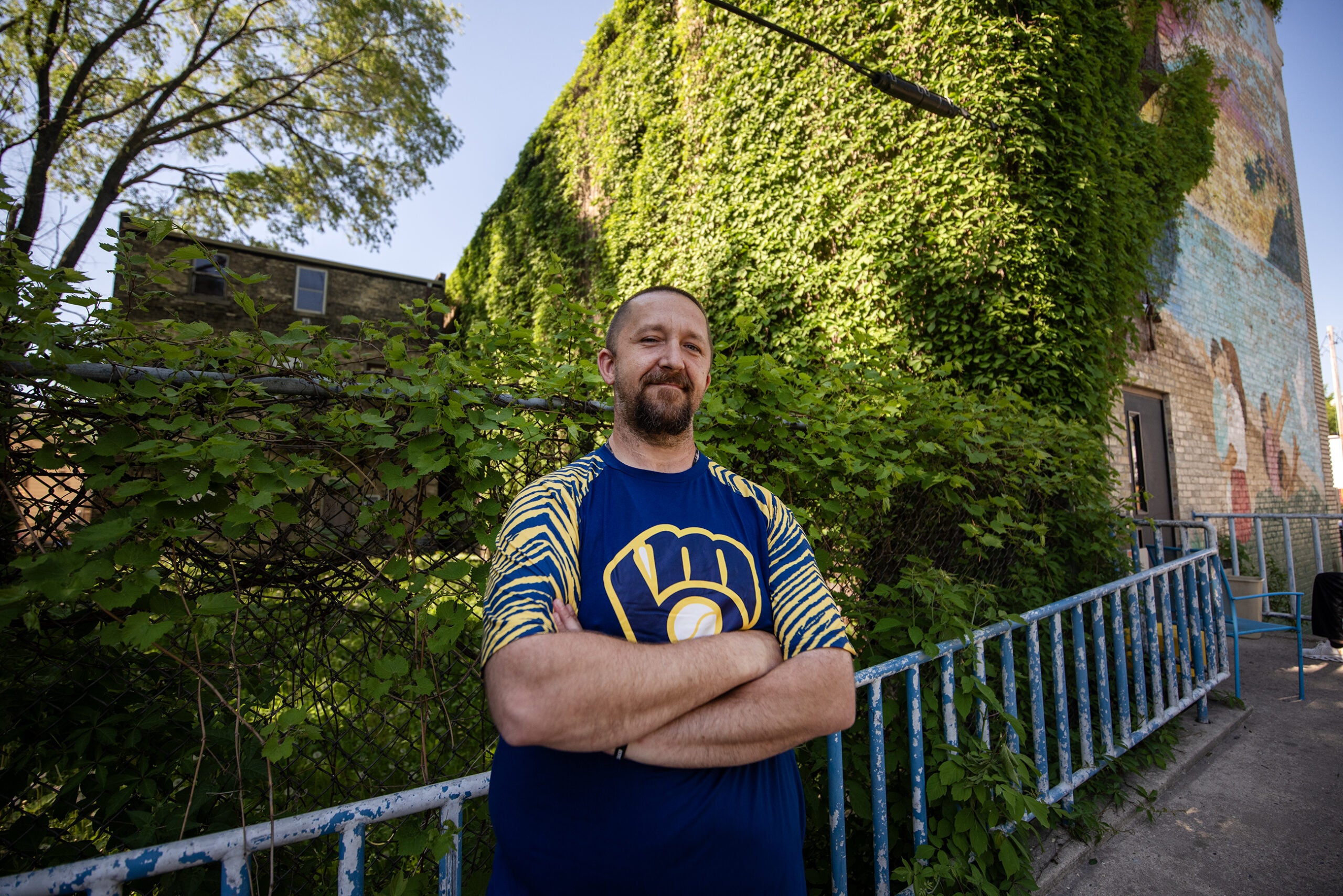
David Stockton, treated with buprenorphine prior to his 2022 release from the Milwaukee County Community Reintegration Center, credits the medication for his continued sobriety. “I feel like it probably saved my life,” Stockton stated, emphasizing the program’s impact on his recovery.
8 County Jails Still Do Not Offer Medication
The report identifies at least eight small and rural county jails without medication programs for substance use disorders, with five additional jails not responding to the survey. These counties could potentially leverage opioid settlement funds and collaboration with neighboring counties to implement such programs.
Challenges cited include the short duration of jail stays and logistical hurdles in administering treatment. The report also notes that many jails do not initiate treatment but only continue existing prescriptions.
Despite these challenges, some jails are utilizing opioid settlement funds for staffing and medication costs, with 23 county jails reporting such usage. However, the initiation of treatment remains inconsistent across the state.
The state Department of Corrections’ program was estimated to cost approximately $321,000 in 2024, a small fraction of its $1.5 billion budget, underscoring the financial feasibility of expanding these vital services.



