Health Care Costs and Policy Decisions Take Center Stage in Alaska’s Upcoming Elections
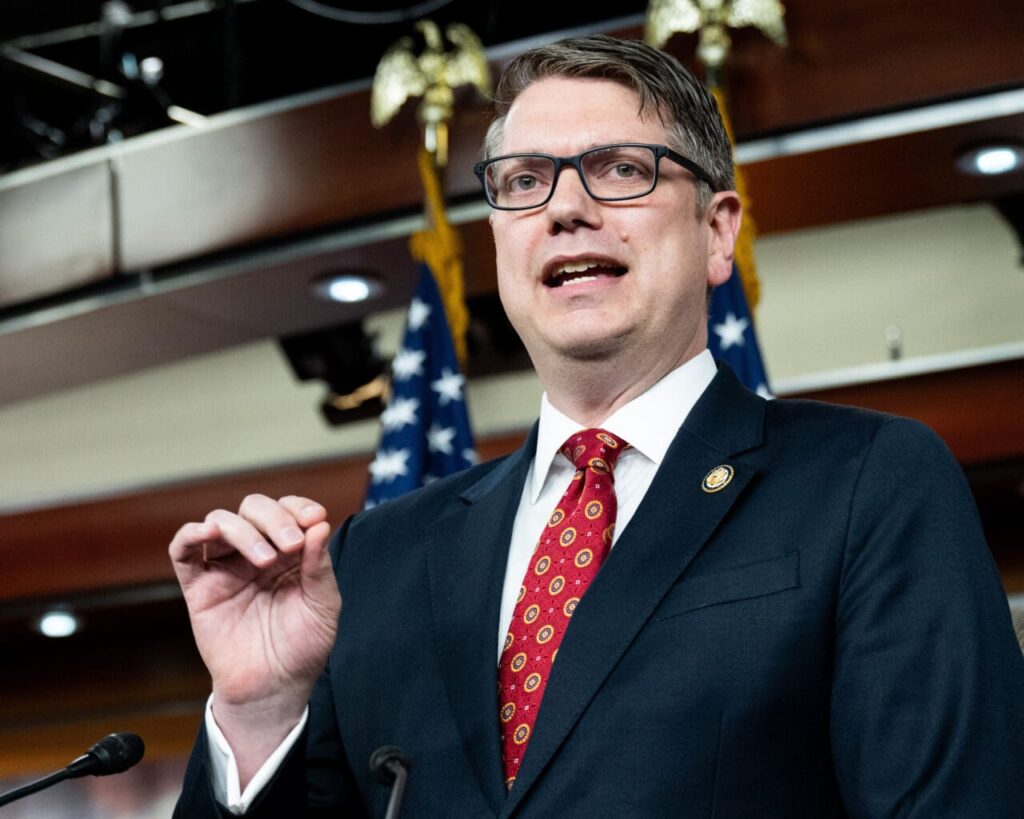
As the race for Alaska’s Congressional seat heats up, health insurance affordability has emerged as a focal issue. Representative Nick Begich, who campaigned on reducing health costs, has garnered attention for his legislative actions in office, which some argue limit access to affordable care.
Alaska’s average monthly health insurance premium stands at $1,032, positioning it among the nation’s highest rates. The state’s sparse population and expansive geography contribute to small insurance pools and staffing challenges at medical facilities.
Begich’s campaign platform criticizes lawmakers for inadequate solutions to these issues. While advocating for significant reductions to Medicaid and the Affordable Care Act, Begich’s website asserts, “Reforms are needed to drive down the cost of health care. Political rhetoric isn’t going to do it. It’s going to require commitment, tenacity, and hard work.”
A pivotal move came with the passage of the One Big Beautiful Bill Act (OBBB), endorsed solely by Republican votes, which enacts a $1 trillion reduction in Medicaid funding by 2034. This legislation is anticipated to redirect significant funds as tax benefits for the ultrawealthy. According to estimates, nearly 36,000 Alaskans could lose their health coverage.
These cuts pose a threat to Alaska’s health infrastructure, with 14 hospitals projected to lose $63 million in Medicaid reimbursements, potentially leading to closures. Joe Wanner, CEO of Bartlett Regional Hospital in Juneau, foresees a loss of $3 million to $4 million annually, stating, “With everything in health care, all you have to do is try to be in this position where you’re able to survive.”
In a May 2025 press release, Begich championed the OBBB, suggesting it would “unlock opportunities” and “generate revenue.”
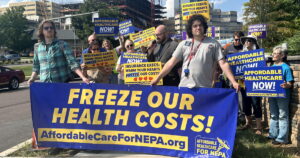
Moreover, Begich resisted a bipartisan initiative to extend Obamacare tax credits, crucial for maintaining low insurance premiums for 22 million Americans, including over 25,000 Alaskans. The failure to extend these credits has led to an average premium increase of 346%, with some Alaskans experiencing a $909 hike annually. The Congressional Budget Office (CBO) estimates that this could result in 2 to 5 million Americans opting out of insurance.
Mark Robokoff, an Alaskan small business owner, expressed his discontent to the Anchorage Daily News, revealing his premiums soared by 300%, and stating, “I need my government, specifically my congressional delegation, to speak for me. I feel absolutely abandoned.”
The Democratic contender set to challenge Begich will emerge from the August 18 primary.