North Carolina’s Tuition Decision Sparks Debate on University Funding
In a significant move, the University of North Carolina (UNC) Board of Governors has decided to allow campus-specific tuition increases, marking the first such decision since 2017. This change is seen as necessary by some to combat the effects of deferred maintenance, inflation, and financial pressures at both state and federal levels. However, not everyone agrees with this approach.
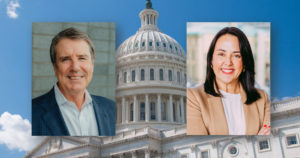
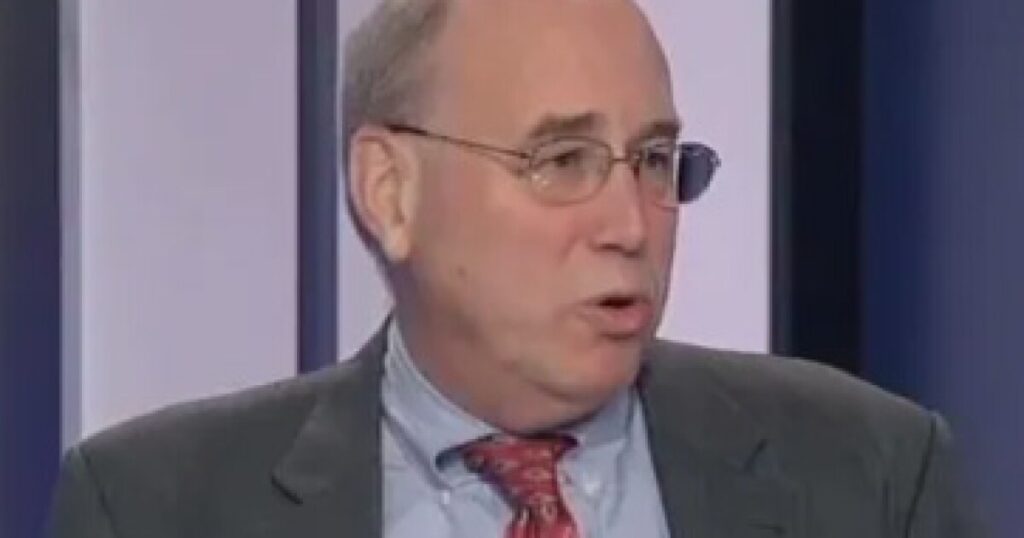
Art Pope, a notable figure in Republican political circles and a member of the UNC Board of Governors since 2020, cast the sole vote against raising tuition. Pope’s opposition is rooted in his long-standing belief in keeping tuition low for North Carolina students, which he argues aligns with the state’s constitutional mandate to make higher education “as free as practicable.”
During a conversation with WUNC’s Higher Education Reporter, Brianna Atkinson, Pope explained his stance on the matter. He emphasized that North Carolina families contribute significantly through taxes, which fund the UNC system more than any other revenue source. According to Pope, “we should keep tuition low for in-state students” to honor the constitutional requirement.
Many universities face financial challenges, but Pope suggests that instead of increasing tuition, institutions should focus on reducing costs. He pointed out that higher education has seen greater inflation than most sectors, except healthcare. “We need to bend the cost curve and make education more cost-effective,” Pope stated, advocating for efficiency through modern technology and better resource management.
Despite the potential benefits of increased state allocations for universities, Pope believes that current funding levels from the General Assembly are already substantial. He noted that North Carolina’s per-student funding is among the highest compared to other populous states, with only Alaska and Hawaii spending more due to their unique circumstances.
Regarding future tuition policies, Pope is committed to preventing ongoing increases. He argues that repeated hikes could lead to a “nightmare of compound cost increases,” drawing parallels to past budget shortfalls that relied heavily on tuition increases. Pope stresses the importance of finding savings without compromising educational quality.
In his efforts to maintain flat tuition rates, Pope looks to examples from other universities like Purdue University and the University of Florida. He highlights Purdue’s strategies of meticulous financial management and maintaining administrative costs while increasing enrollment as potential models for North Carolina to emulate. “Increasing enrollment, faculty in proportion to that enrollment; but fixed overhead, fixed administrative costs — that will lower the average cost, so we can keep tuition lower,” Pope suggested.
For more detailed information on the tuition vote, visit here. To understand the financial context of North Carolina’s higher education, check this report. Additional insights into state funding per student can be found on the State Higher Education Executive Officers Association website.
WUNC collaborates with Open Campus and NC Local to provide comprehensive coverage on higher education issues.