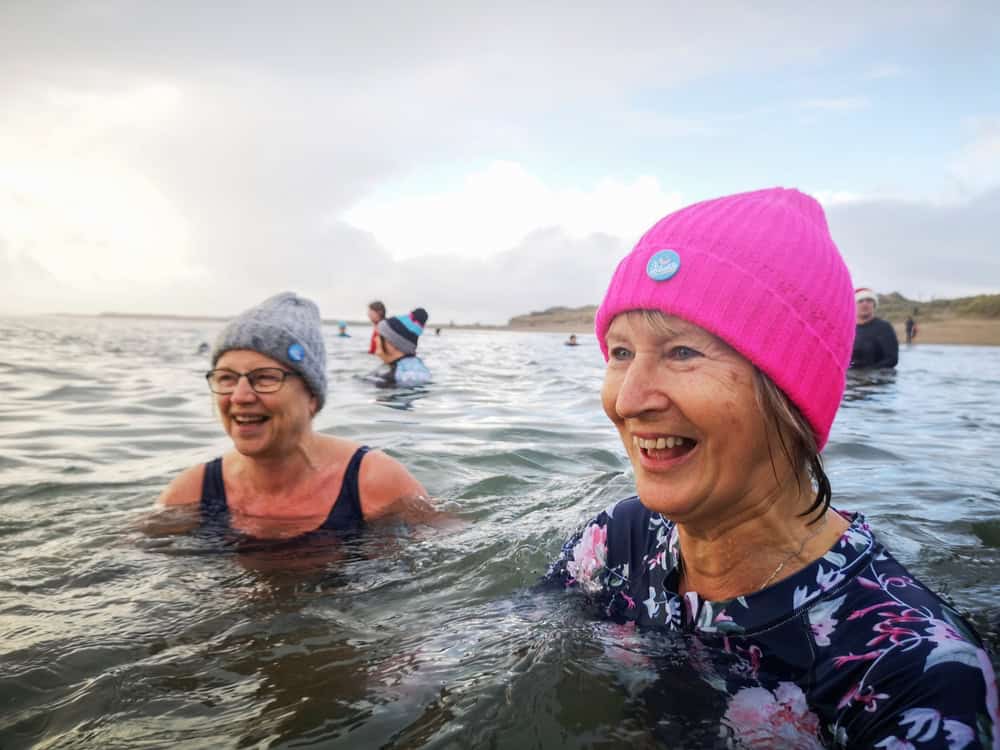
The UK government is considering proposals to expand England’s designated bathing water sites, an initiative that has united swimmers, councils, brands, and environmental campaigners under the common objective of reducing single-use plastic. The plans include the establishment of 13 new swimming locations, a significant increase in the number of safe, monitored swimming spots across England.
One remarkable proposal is the designation of the first-ever bathing spot on the River Thames at Ham and Kingston in London – a section of the river that was declared biologically dead in the 1950s due to pollution. This proposal stands as a symbol of environmental recovery and renewal. If approved, these additions would bring the total number of bathing waters in England to 464. In the previous year, 93% of these bathing waters met acceptable swimming standards, with four out of five rated either ‘excellent’ or ‘good’. These proposals are an outcome of the recent reforms to the Bathing Water Regulations that aim to modernize monitoring methods and better reflect the public’s use of rivers, lakes, and beaches.
Swimming outdoors in England is slowly becoming part of the national identity and this shift is prompting a new environmental movement. One example is the bustling Sea Lanes – the national open water swimming centre located on Brighton beach. Here, swimmers gather, don wetsuits, adjust their goggles, and head into the Channel, or opt for the heated 50-meter outdoor pool that runs parallel to the shoreline. Opened only three years ago, Sea Lanes has already announced plans to open similar facilities in Portsmouth and London, where construction of a floating natural water pool has begun at Eden Dock in Canary Wharf.
Sustainability is a key factor in this growing swimming culture. In Brighton, for instance, swimmers emerging from the sea are handed hot drinks in refillable bottles, not disposable ones. This initiative was organized by frank green, a brand specializing in reusable bottles that has made open water swimming central to its UK campaign this year. The message from the brand is clear – normalise and reward refill culture in places where single-use plastic has long dominated.
On average, an adult in England purchases approximately 175 single-use plastic bottles each year. Annually, roughly 7.7 billion plastic bottles are sold, with an estimated 3.5 billion used for water. Only a fraction of these bottles are recycled, with approximately 80% of marine litter being plastic, followed by bottles and drinks containers as the second-largest contributors. These items are commonly found in coastal cleanups. The question that arises is whether the visible growth of the swimming culture can hasten policy changes. There are positive signs, like the Isle of Skye’s voluntary ban on selling single-use plastic water bottles by local retailers following a community campaign in 2019. Similar bans have been implemented in national parks, cities, and cultural institutions across Europe and some parts of the United States.
In Brighton, the Pride in Place programme, which has awarded the city £20 million over ten years to support regeneration and public improvements, might bolster this movement. Community leaders will help decide where the funds will be spent, and expanding refill points along the seafront could benefit from these investments. Community groups, however, are cautious about superficial alignment and only wish to work with partners whose environmental commitments run deeper than marketing. With Sea Lanes providing facilities, the council shaping infrastructure, brands pushing culture change, and campaign groups maintaining scrutiny, this alignment is beginning to solidify on the south coast.
Events like Brighton’s Big Swim, expected to attract over 1,000 women in March to mark International Women’s Day and raise funds for Surfers Against Sewage, provide further opportunities for environmental advocacy. Indeed, refusing a plastic bottle might seem like a trivial individual act, but these cultural shifts may force councils to do more, possibly through restricting sales in sensitive areas, expanding refill networks, or incorporating plastic reduction into regeneration plans. The rise of outdoor swimming bolsters this movement, as it transforms rivers and coastlines into shared spaces, protected by those who use them.