As Wisconsin’s senior population is set to rise significantly by 2040, community organizations across the state are ramping up initiatives to enhance the lives of older adults. With projections indicating that the number of residents aged 65 and over may surpass 1.5 million, there is a concerted effort to make communities more accommodating and socially engaging for seniors.
Central to these initiatives are the goals of fostering aging-friendly communities and strengthening social bonds among seniors. Sara Richie, the Life Span program manager at the University of Wisconsin-Madison’s Division of Extension, emphasizes the need for communities to be inclusive and supportive environments for aging residents.
“(The community groups) are ensuring that people have an opportunity to lead fulfilling and connected lives and have access to the things that they need to age in place,” Richie stated. “They provide an opportunity to celebrate the strengths and contributions of older adults, and have an infrastructure that supports them, and the services to meet their needs as well.”
Boosting Social Connection, Overcoming Isolation
Social connection is a critical component of these initiatives, according to Suzanne Morley, health promotion program coordinator for the Wisconsin Institute for Healthy Aging. She highlights the adverse health impacts of social isolation and loneliness among older adults.
Efforts to combat these issues are underway through Aging and Disability Resource Centers and partner organizations, which organize events like “senior proms,” activities at senior centers, and training for meal delivery drivers to engage with seniors.
Health Benefits of Connection
Social interaction is vital not only for emotional well-being but also for physical and mental health. Megan Zuelsdorff, an assistant professor at the UW-Madison School of Nursing, notes the health benefits associated with social connections, including reduced risk of dementia.
“For one thing, it’s actually easier to live healthy, to engage in healthy behaviors, if we have a companion along with us,” Zuelsdorff explained. “We know that we eat more poorly when we’re by ourselves. We drink more alcohol. We stay inside more. It’s just easier to engage when you’re doing things for other people, too.”
Zuelsdorff also supports community efforts aiming to improve social ties for seniors, acknowledging the challenges they face in maintaining engagement.
Creating Connections Throughout Wisconsin
In rural regions like Juneau County, challenges such as lack of senior centers and transportation barriers are prevalent. Gina Laack, director of the Aging and Disability Resource Center of Eagle Country’s Juneau County office, points out the heightened risk of loneliness among aging men in these areas.

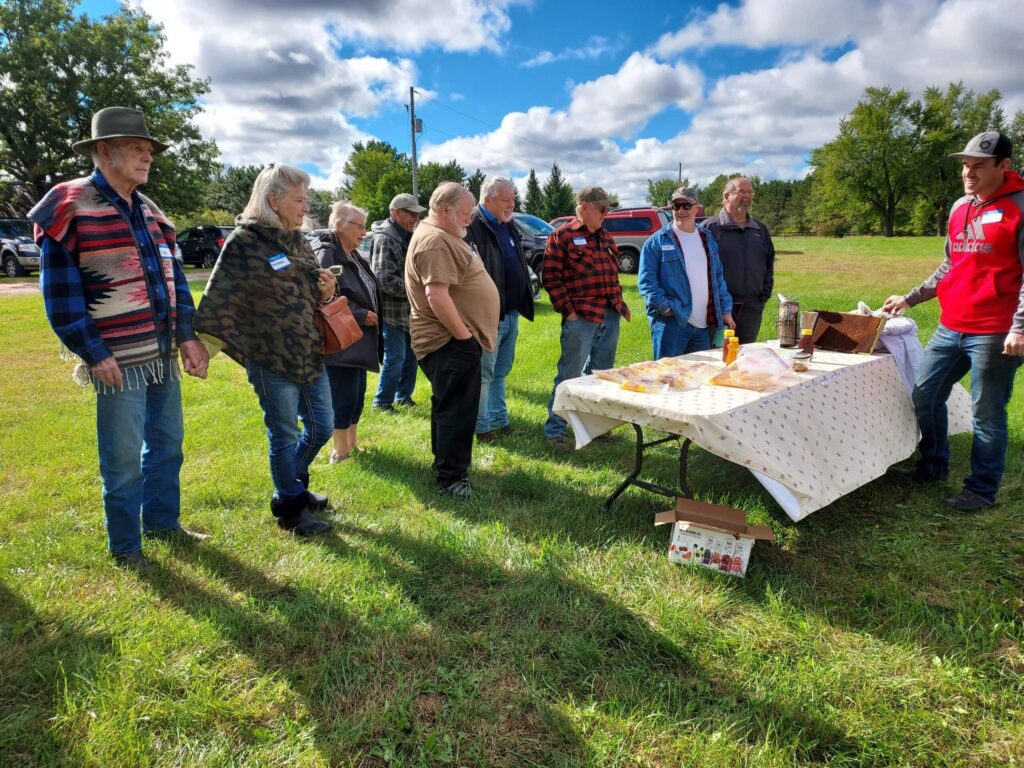
One innovative solution is the “Men’s Shed” project, where men gather for camaraderie and collaborative work, hosted in familiar and welcoming settings. Similarly, initiatives like the “Mastery Makers” in Kewaunee County aim to combat ageism and promote leadership among seniors.
Efforts extend to making local sports events accessible for seniors in Oconto County, with partnerships facilitating enhancements such as handrails, golf cart rides, and live streaming of events.

Other programs in Oconto County include technology training, fitness programs, and community produce pantries, while Door County collaborates with local entities to offer civic and volunteer engagement opportunities for seniors.