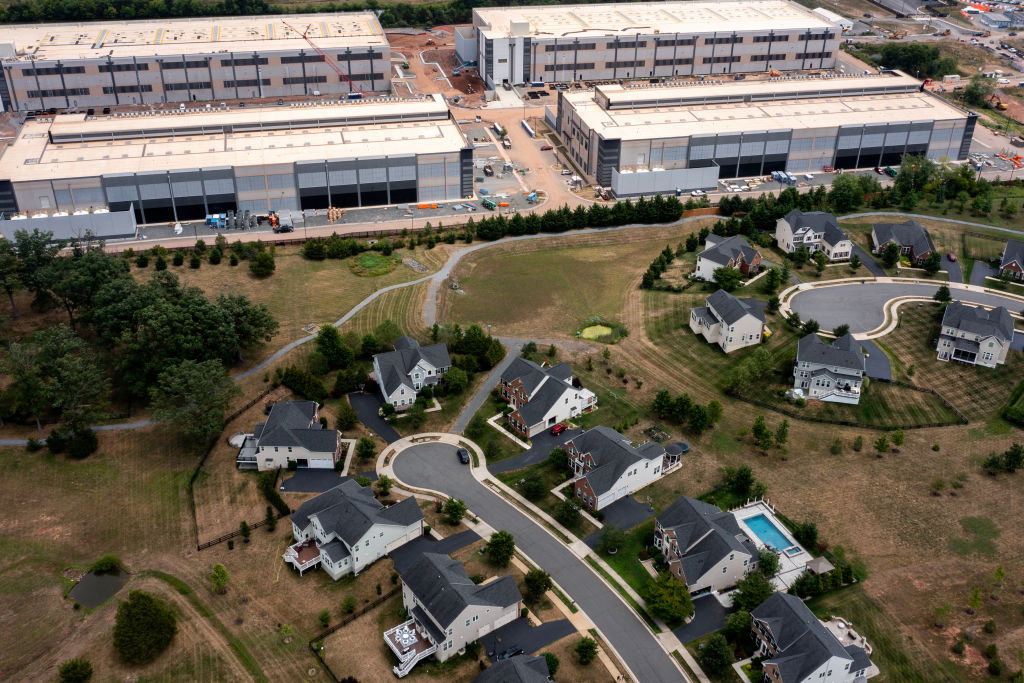
Amid rising electricity bills, American states aim to curb the impact of data centers on energy costs. As data centers proliferate, officials are questioning their effect on household and business electric bills. States like Oregon have enacted legislation to impose separate, higher electric rates on these power-intensive facilities.
Oregon’s 2025 law mandates utility companies to charge data centers distinct electric rates due to their significant energy demands. “We are now making data centers pay a higher rate commensurate with the amount of energy they’re sucking out of the system,” stated Oregon Rep. Tom Andersen. At least a dozen states have introduced similar regulations, demanding long-term commitments from data centers before approving infrastructure investments. Lawmakers acknowledge that isolating data center costs from overall energy prices is complex.
The digital boom, driven by artificial intelligence, has led to rapid data center expansion. McKinsey & Company projects a $7 trillion global expenditure on data centers by 2030. This growth raises concerns among residents about utility rates and environmental impacts. In Delaware, legislation advocating higher rates for data centers advanced, while Florida’s Senate committee approved a bill for new rate structures.
Oklahoma’s Republican senator has proposed a data center moratorium until 2029 to evaluate their impact on utility rates and property values. State Rep. Brad Boles aims to shield ratepayers from data center costs, emphasizing, “We’re trying to ensure that those data centers pay for their own infrastructure and we don’t shift that cost or burden to everyday Oklahomans.”
Despite Oregon’s new rate structure, consumer advocates accuse the state’s largest utility of shifting some data center costs to residential customers. Andersen notes the legislation aims to prevent future rate hikes rather than reduce current bills, stating, “It’s just going to stop future raises.”
The data center boom
Escalating utility bills, often exceeding inflation, drive consumer frustration and regulatory scrutiny. Data centers, requiring extensive power generation and upgrades, are frequently linked to rising electricity costs. Bloomberg News found wholesale electricity costs soared up to 267% in areas with significant data center activity. However, industry representatives argue that multiple factors, including weather and aging infrastructure, contribute to higher costs.
Lucas Fykes, of the Data Center Coalition, stated, “It’s inaccurate to draw a clear line between large load customers like data centers coming online and increases in prices.” The organization opposes differential rate structures for data centers, advocating collaboration with regulators to prevent undue burdens on residents and small businesses.
Fykes emphasized the ongoing “global race” to expand data centers supporting AI and cloud infrastructure, crucial for maintaining U.S. competitiveness. Political leaders face the challenge of balancing tech investment incentives with infrastructure concerns, as highlighted by Sandy Springs, Georgia, mayor Rusty Paul.
A bipartisan push
The Georgia Public Service Commission established rules to shield ratepayers from data center costs, requiring these entities to cover all power-related expenses. However, State Sen. Chuck Hufstetler seeks to codify these rules, ensuring utilities cannot pass costs to other customers. Hufstetler’s bill, gaining bipartisan support, aims to address rising utility bills—a key issue in recent elections that saw Democrats gain ground in Georgia’s Public Service Commission.
The Georgia Public Service Commission supports the bill but cautions against losing regulatory flexibility. “Whenever the legislature codifies a rule that we put in place, we get a little nervous because it can tie our hands in special circumstances,” stated agency spokesperson Tom Krause.
A complex challenge
Maryland’s utility regulator considers a new rate structure for data centers, requiring pre-approval analysis and separate tariffs. The Office of People’s Counsel advocates stronger consumer protections, as Maryland residents face rising costs from out-of-state data centers. Governor Wes Moore and other leaders urge PJM Interconnection to shield residents from data center infrastructure costs. Maryland state Del. Lorig Charkoudian highlights the need for accurate power demand forecasting and energy efficiency programs to mitigate the financial impact on ratepayers.