In Archbald, Pennsylvania, a significant development project is stirring up local controversy. A proposed data center campus, spanning over 500 acres, is set to be developed by Brooklyn-based Cornell Realty Management LLC. The ambitious plan includes constructing at least 14 two-story buildings, each equipped with 41 diesel generators, yet the project currently lacks a confirmed end user.
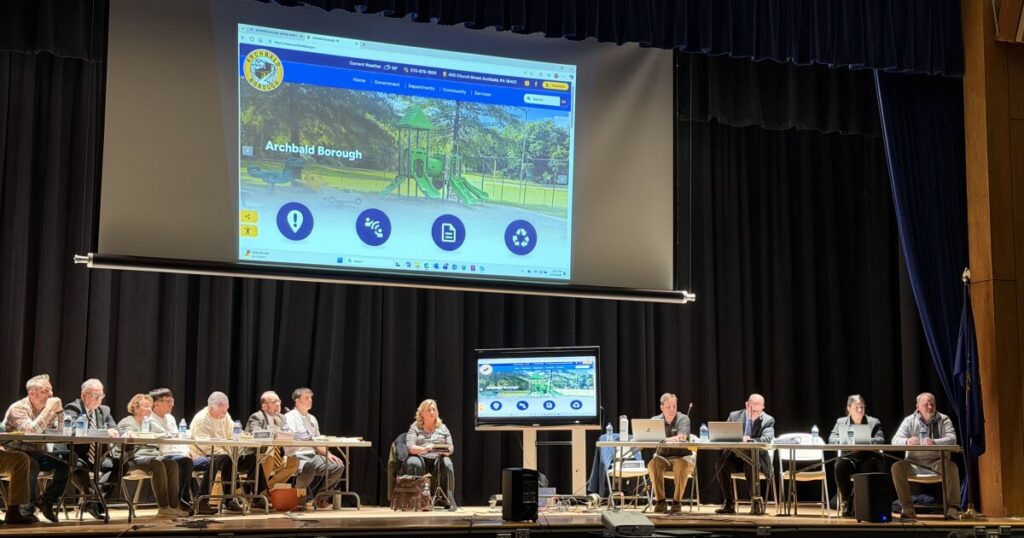
During a recent conditional use hearing, Edmund Campbell, representing Cornell, and project manager Albert J. Magnotta III of LaBella Associates presented their case to the Archbald Borough Council. The session, held at Valley View High School, saw a large turnout of residents opposing not only this development, known as the Wildcat Ridge Data Center Campus, but also four other proposed campuses in the community.
“To begin with, I recognize that no one is here because they like them, and everybody’s here because as I think, the third speaker indicated that there’s a lot of opposition to this,” Campbell noted during the hearing.
Political Figures Voice Concerns
Opposition to the project was echoed by several officials, including Lackawanna County Commissioner Bill Gaughan, state Rep. Kyle Mullins, and Lackawanna County Controller Gary Dibileo. Gaughan expressed concerns about the potential negative impact on the community, stating, “I am not anti-technology, and I’m not anti-progress. I don’t think anybody is, but I am absolutely opposed to sacrifice zones, which I think this is what we’re becoming.”
Proposed Developments and Infrastructure Challenges
The development plans include a commercial area at the base of the property, which might house a grocery store or offices. Although not finalized, discussions with potential tenants are ongoing, Campbell noted. The proposed layout for the data center aims to comply with the borough’s landscaping requirements.
Significant upgrades, estimated at $93 million, are needed for the water infrastructure to support the site, according to the application. Magnotta suggested that alternative cooling systems could reduce water usage, and there are plans to build a new water tower to support existing services.
The developer is exploring the use of mine water, which requires treatment due to contamination with heavy metals, to supplement water supply. This innovative solution is under consideration, pending detailed evaluation and regulatory approvals.

Community Impact and Economic Benefits
The project promises to create 1,280 permanent jobs and bring a $44 million annual positive fiscal impact to Archbald, according to Cornell’s conditional use application. Additional benefits include investment in local STEM education and partnerships with emergency responders. However, the project is also expected to increase local traffic and require sewer system upgrades.
As the hearing continues, the community remains divided on the potential benefits and drawbacks of the development, with many questions still outstanding about the project’s future and its impact on Archbald.