This story was produced and originally published by Wisconsin Watch, a nonprofit, nonpartisan newsroom. It was made possible by donors like you.
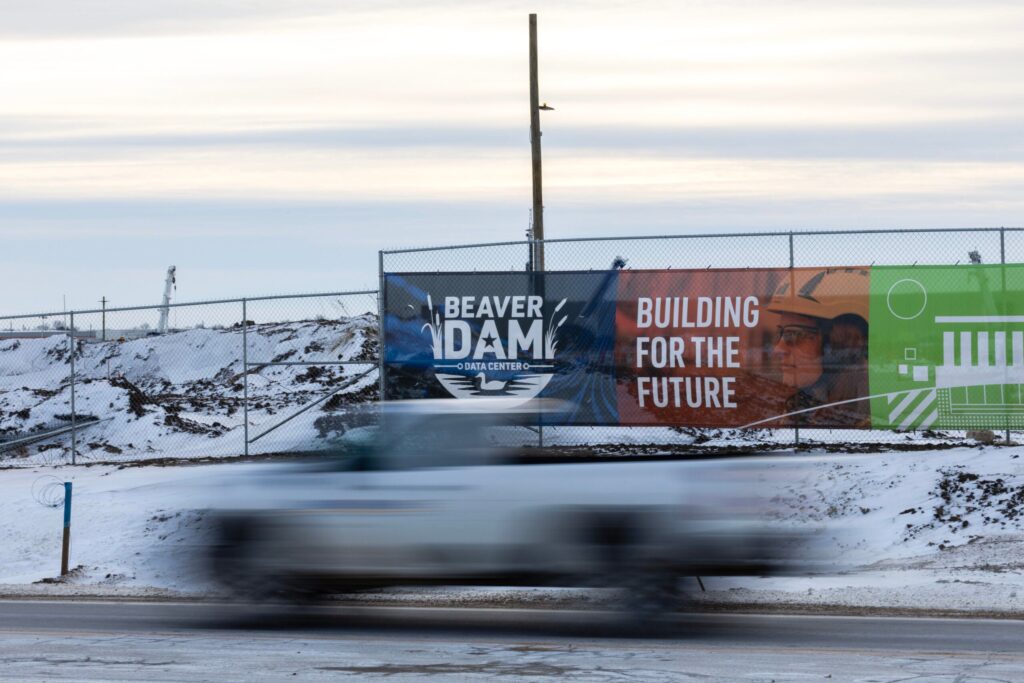
In the seemingly quiet community of Beaver Dam, Wisconsin, a massive development project has been moving forward largely out of the public eye. The $1 billion, 520-acre data center, proposed by Meta, the parent company of Facebook and Instagram, is just one of several significant data center projects in the state valued collectively at over $57 billion.
Though the city’s core values emphasize communication, officials in Beaver Dam took deliberate steps to keep the data center project under wraps for over a year. This approach raises questions about the transparency of such developments and the impact on local communities.
Meta’s Secretive Expansion in Beaver Dam
Meta’s new data center in Beaver Dam, which will span an area equivalent to 12 football fields, is one of seven major data center endeavors in Wisconsin. The secrecy surrounding this project is not unique; similar confidentiality measures have been implemented in other parts of the state.
In four of these projects, including Beaver Dam, officials signed non-disclosure agreements (NDAs) to prevent public disclosure. Even in cases without NDAs, secrecy has persisted.
In DeForest, a suburb of Madison, officials worked behind closed doors for months on a proposed $12 billion data center, prompting resistance from local residents.
Retired tech executive Prescott Balch, who advises communities on data center proposals, emphasized the need for transparency: “As soon as community leadership is contemplating, even entertaining it, I think they need to make the public aware,” he said. The public’s lack of awareness has spurred legislative efforts to ban data center NDAs statewide.
Confidentiality: A Common Practice
Wisconsin has about 40 data centers. However, the latest wave of developments, including projects in Mount Pleasant, Port Washington, and others, significantly outsize these existing facilities. These data centers are crucial for advancing technologies like artificial intelligence.
In Beaver Dam, the development process was shrouded in secrecy. The local economic development corporation signed an NDA with a little-known entity, Balloonist LLC, in December 2023, which made no mention of Meta or a data center.
Trent Campbell, the development corporation’s leader, stated that confidentiality was deemed necessary from the project’s inception. This secrecy extended to various city council actions, including the creation of a tax incremental finance district for the data center, which were carried out without public acknowledgment of the center’s existence.
Transparency Challenges and Public Response
The lack of transparency has led to public backlash. In Menomonie, an NDA with Balloonist LLC preceded significant legislative changes to accommodate a data center, later put on hold due to community feedback.
Other cities, such as Kenosha and Janesville, have faced similar situations, with NDAs obscuring the identities of companies and the specifics of their proposals until well into the planning process.
Residents in Port Washington and Mount Pleasant have expressed concerns about the secrecy and potential impacts of these developments. Meanwhile, legislative measures are being considered to address the confidentiality surrounding data centers.
In response to the growing unease, state Representative Clint Moses introduced a bill to prohibit NDAs for data center proposals in Wisconsin. He highlighted the broad opposition to the secrecy among constituents, emphasizing the need for timely public notification of such significant projects.
As the state grapples with these issues, the push for transparency in data center development continues to gain momentum. The debate underscores the balance between economic development and the public’s right to know and participate in decisions affecting their communities.