The Changing Face of Winter in the Sierra Nevada
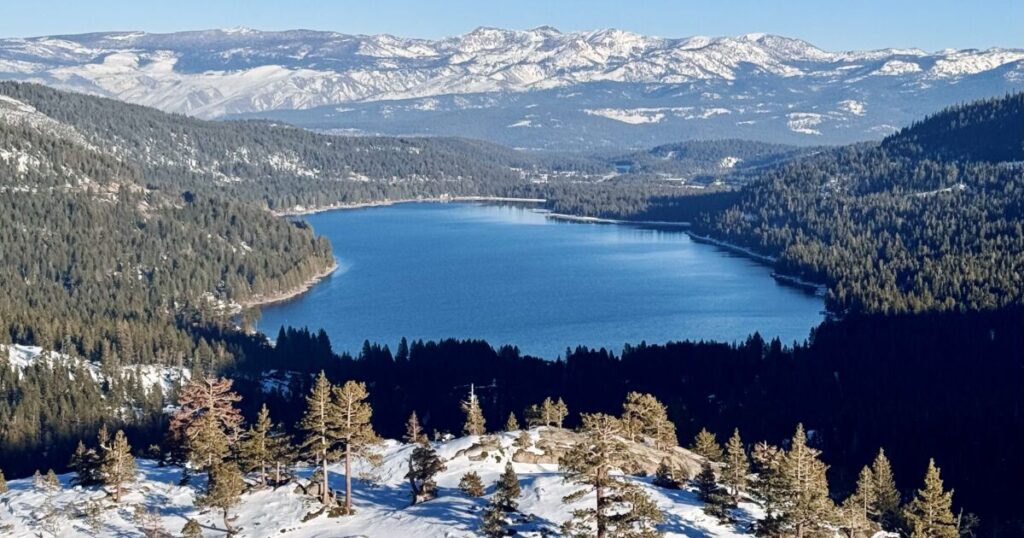
Recent weather patterns have breathed new life into the Sierra Nevada’s snowpack, especially near Lake Tahoe’s peaks. This comes after an unusually dry start to the winter season, which left scientists concerned about the record-low snowfall experienced in some regions before Christmas.
The late December and early January storms have significantly improved snowpack levels, which are crucial for water supply throughout California and Nevada. Snowpack acts as a natural reservoir, ensuring water availability for urban areas, agricultural needs, and local ecosystems. However, the shift from snow to rain due to warmer winters is complicating water storage strategies.
According to Dan McEvoy, a climatologist with the Desert Research Institute and Western Regional Climate Center, the storms have markedly improved conditions. “Up until around Christmas week, there were a lot of areas around Lake Tahoe that were seeing record low snowfall,” McEvoy noted. “Those storms brought most of the area back to pretty close to average snowpack conditions, above average at higher elevations, and near average to slightly below average at middle and lower elevations.”
Despite this temporary recovery, long-term forecasts indicate a decline in Sierra Nevada snowpack, primarily due to increasing temperatures. Lower elevation areas, such as Lake Tahoe, are particularly at risk. McEvoy explained that climate models predict a shift toward more rain than snow during winter months in these regions. “Most projections point to declining snowpack in the Sierra Nevada, with the most impacted regions being lower elevations in the mountains,” he said. “Lake Tahoe is one of those vulnerable areas.”
The effects of these changing conditions are already visible in the winter recreation industry, with some ski resorts facing delayed openings over the holiday season because of insufficient snowfall. As winters continue to warm, the challenges for water management, recreational activities, and ecosystems in the Sierra Nevada are expected to grow.