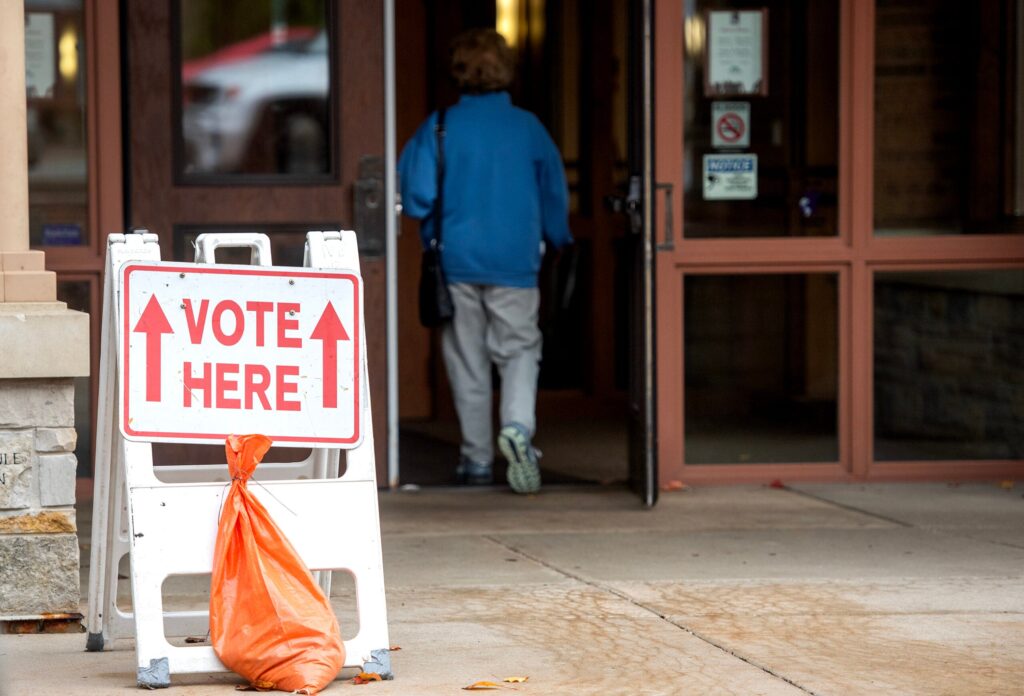
As Wisconsin gears up for the upcoming midterm elections, voters will face critical decisions with the addition of three proposed constitutional amendments to the ballot. These proposals, endorsed by Republicans, aim to address issues spanning public health, diversity initiatives, and gubernatorial powers.
Key Amendments to Watch
The Wisconsin state Senate has given the green light to two constitutional amendments that will now be in the hands of the electorate. The first proposal aims to spark renewed debate over the state’s pandemic-era restrictions on public gatherings, while the second seeks to prohibit diversity, equity, and inclusion (DEI) initiatives within state and local government operations.
A third amendment, which seeks to curtail the governor’s veto power, has also passed the Senate and is expected to gain final approval from the Assembly shortly. This move would place it alongside the other amendments on the November ballot.
Republican Strategy
Since Democratic Governor Tony Evers took office in 2018, Wisconsin Republicans, who hold the legislative majority, have frequently turned to constitutional amendments as a strategy to bypass the governor’s veto. Governor Evers has vetoed numerous GOP bills, prompting Republicans to pursue amendments that do not require gubernatorial approval.
Diversity, Equity, and Inclusion Amendment
According to a nonpartisan analysis by the Legislative Reference Bureau, the proposed DEI amendment would forbid “governmental entities in the state from discriminating against, or granting preferential treatment to, any individual or group based on race, sex, color, ethnicity, or national origin in public employment, education, contracting, or administration.”
This proposal aligns with a broader Republican effort, both at the state and federal levels, to challenge DEI initiatives, arguing they foster discrimination. Sen. Steve Nass, R-Whitewater, stated, “Preferential treatment to any individual or group is wrong, no matter who it targets or what the reason. Past discrimination, however wrong, cannot be corrected with more discrimination.”
In opposition, Democrats argue that the amendment could entrench systemic inequalities affecting minorities and women. Sen. Dora Drake, a Democrat from Milwaukee, warned, “It limits our own ability to help you — the public — and will make things worse. Republicans will send us back to a pre-Civil Rights Era, possibly further.”
Public Health Orders Amendment
The second amendment under consideration would prevent state and local governments from closing or restricting gatherings in places of worship during emergencies, including public health crises. This proposal responds to the Evers administration’s COVID-19 policies, which limited large gatherings to curb virus transmission.
Republican proponents assert that religious freedoms must remain protected, especially during crises. Though the Senate did not engage in floor debate over this amendment, GOP sponsors emphasized the importance of preserving the right to practice religion.
Governor’s Veto Power Amendment
The third proposed amendment targets the governor’s partial veto power, specifically preventing its use to create or increase taxes or fees. This proposal emerged after Governor Evers used his veto to extend a school revenue limit increase from two years to 400 years, a decision upheld by the Wisconsin Supreme Court.
Once cleared by the Assembly, this amendment will join the others on the ballot in November, coinciding with a challenging election cycle for Republicans, who may encounter political headwinds.
Political Implications
Sen. Tim Carpenter, D-Milwaukee, suggested that Republicans are advancing these amendments to boost voter turnout for their candidates, drawing parallels to the 2006 election when a proposed gay marriage ban increased turnout in Democratic areas.
Senate Bills and Tax Proposals
Alongside the constitutional amendments, the GOP-controlled Senate passed several noteworthy bills as the legislative session nears its conclusion. Among these is a Senate version of a bill proposing to exempt cash tips from state income tax, a divergence from a similar Assembly bill. Both bills must align before reaching the governor’s desk.
The Senate bill proposes an annual exclusion up to $25,000 for reported tips, modeled after a tax break in President Donald Trump’s legislative agenda. This measure is anticipated to decrease state tax revenue by approximately $97 million in the first year, followed by reductions in subsequent years.
The tax exemption bill passed with bipartisan support, receiving votes from all Republicans and three Democrats representing competitive districts.
Wisconsin Public Radio, © Copyright 2026, Board of Regents of the University of Wisconsin System and Wisconsin Educational Communications Board.