The Transforming Landscape of Dairy Farming in Wisconsin
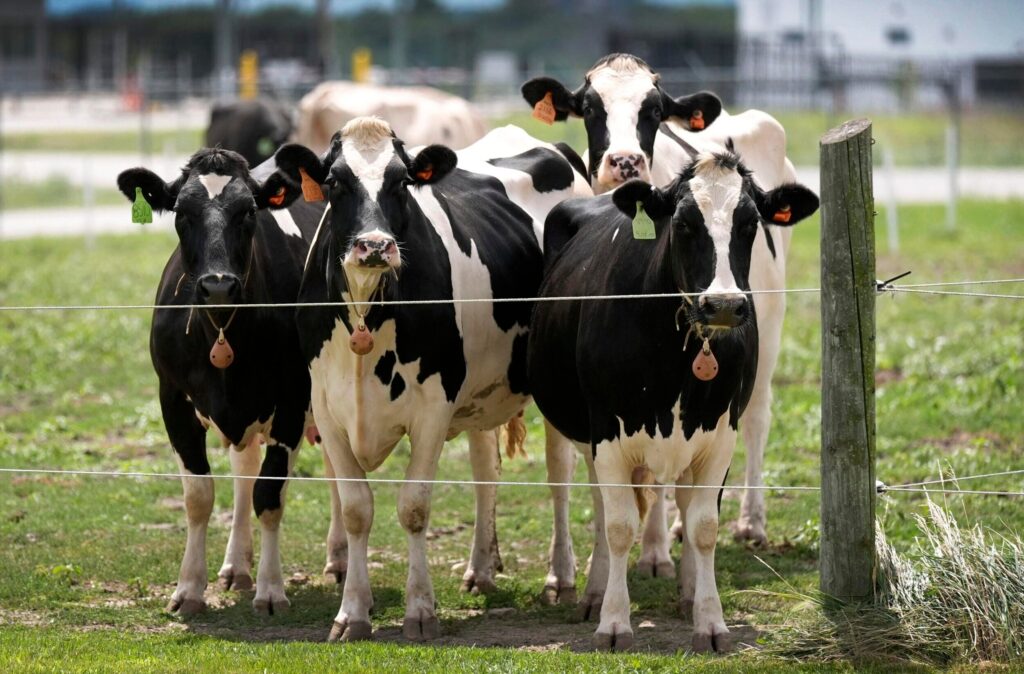
Wisconsin, often celebrated as America’s Dairyland, is experiencing a significant shift in its dairy farming landscape. Recent licensing data highlights a dramatic reduction in the number of dairy farms, yet the state’s milk production remains robust.
As of the beginning of 2026, Wisconsin hosts approximately 5,100 dairy herds, a stark contrast to the figures from a decade ago, with current numbers reflecting about half of those previously recorded. The decline is even more pronounced when compared to two decades ago, indicating a broader trend of consolidation in the industry.
Despite the dwindling number of farms, the state’s dairy output has not diminished. The number of cows being milked remains consistent with past figures, and milk production is on a slight rise annually. Steven Deller, an agricultural and applied economics professor at the University of Wisconsin-Madison, attributes these changes primarily to industry consolidation.
Deller explains that the economic pressure on small and mid-sized farms to remain profitable is immense, compounded by the increasing average age of farmers. He notes, “If you’re in your mid-60s, it just doesn’t make sense to be operating a dairy farm with 150 cows. That’s demanding work, that’s really hard labor, and you hit a certain point where you just say, ‘I can’t do this anymore.’”
The lure of record-high beef prices might also drive more farmers to transition from dairy to beef production. Ben Miller, the chief operating officer for Dairy Farmers of Wisconsin, emphasizes that decisions regarding farm operations often hinge on familial circumstances and generational interest in continuing dairy farming.
Miller observes that the trend towards fewer, larger farms is a nationwide phenomenon, not limited to dairy. He states, “I think farmers and farm families are making the very best decisions for their circumstances. I don’t want to characterize that as a good thing or a bad thing.”
While the number of producers may be dwindling, the dairy industry in Wisconsin shows potential for growth. Increasing U.S. consumption of dairy products like butter, cheese, whole milk, and cottage cheese, driven by a rising interest in high-protein foods, underscores this potential. “The industry has never been stronger in terms of its economic impact on Wisconsin,” Miller asserts.
Looking ahead, both Deller and Miller foresee a continued decrease in Wisconsin’s dairy farms over the coming decades. However, the implications for rural communities remain to be fully understood. Deller, reflecting on past concerns, notes that despite the reduction in farms, related businesses such as milk trucks and veterinary services have not collapsed, thanks to stable cow numbers.
Environmental issues are becoming increasingly pertinent as cow concentration per farm rises. Deller highlights the need for a comprehensive understanding of the environmental impacts of large farms on local ecosystems. He remarks, “They realize that if they screw up the environment around them, it screws up their farm. They want to get ahead of the curve. So some of the questions are evolving, but we’re going to be talking about this for the next 10, 15, 20 years.”