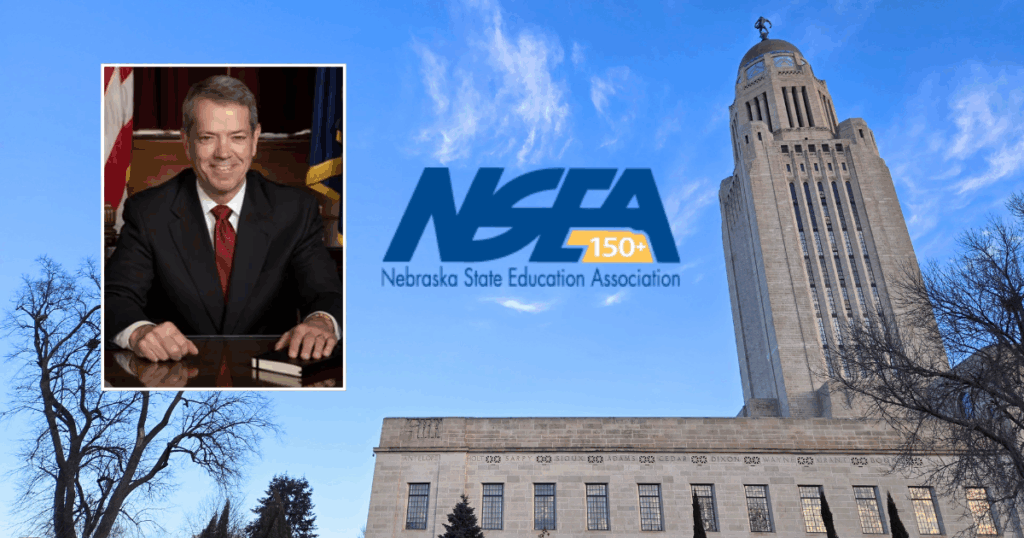
Nebraska’s recent budget proposal has sparked controversy by reallocating educational funds, raising questions about the state’s priorities. A significant $7 million is earmarked for private school scholarships, yet this comes at the cost of cutting $20 million from special education, a move described by critics as “candidly insulting.”
“We’re taking away millions of dollars for some of our most vulnerable students, and we’re giving it so that families who are already attending private school can now subsidize that decision,” said Royers, a vocal opponent of the proposal.
A Disregard for Voter Sentiments?
In the 2024 general election, Nebraskans had decisively voted to repeal Referendum 435, which initially approved $10 million in state-funded scholarships for low-income students attending private K-12 schools. This decision was supported by 57% of voters, reflecting widespread opposition to using public funds for private education (source).
The new proposal by Governor Pillen mirrors the repealed program, despite the previous voter opposition. “They know how Nebraska voters feel about public dollars going to private schools, and the whole way they’re going about approaching it this time really speaks to the fact that they know, but they still want to do it anyway,” Royers commented.
The proposal lacks detailed plans for implementation, merely stating that the Department of Labor would oversee it, setting income restrictions and scholarship caps. Royers criticized this choice, arguing it obscures the potential impact and downplays the program’s significance.
Supporters argue that this voucher program enables more low-income students to choose their preferred schools, while opponents maintain that public funds should remain within public education systems (source, source).
Governor Pillen’s spokeswoman, Laura Strimple, reinforced the governor’s stance, emphasizing the importance of educational choices beyond public schooling. “Public education is not the only choice for students, nor should it be,” Strimple stated. “Nebraska funds public schools at $2 billion annually. This new program allocates $7 million in scholarships to low-income families who want to be able to provide their child an opportunity to learn in the best environment possible.”
The failed scholarship initiative from the past year, as Royers pointed out, did not significantly aid families in need, offering limited financial assistance rather than covering full tuition for those in poverty.
Alternatives for Financial Support
For parents seeking private education options, other financial avenues exist, such as the Federal Scholarship Tax Credit. This program provides a tax credit for donations to scholarship-granting organizations, a measure supported by Governor Pillen through the “One Big Beautiful Bill” (source).
Royers expressed concerns about the state’s continuous pursuit of additional funding for private education, despite existing federal support. He also mentioned alternative charitable contributions, highlighting that organizations like Lutheran schools can offer tax-deductible donations to support families.
Discussions with state legislators indicate some willingness to amend or remove the controversial proposal before the final budget bill passage. Royers noted, “They don’t get it. In their mind, the federal program already took care of this. Why would we allocate state tax dollars when a federal program provides the support that they claim is needed?”
The NSEA is prepared to challenge the proposal through legal or electoral means if it passes as currently outlined. “If it means taking it to the ballot if it means filing a lawsuit, we will absolutely do it,” Royers affirmed.
Note: Nebraska Public Media receives partial funding from the state.