Alliant Energy’s Ambitious Wind Farm Project in Columbia County
Alliant Energy is progressing with its plans to establish a substantial wind farm in Columbia County, estimated at approximately $730 million, which aims to generate enough power to sustain around 100,000 homes each year.
The company, via a dedicated limited liability company, submitted an application to the Public Service Commission in late December, seeking permission to proceed with the construction of the Columbia Wind project. Additionally, Alliant intends to gain commission approval to acquire and build the facility from the LLC.
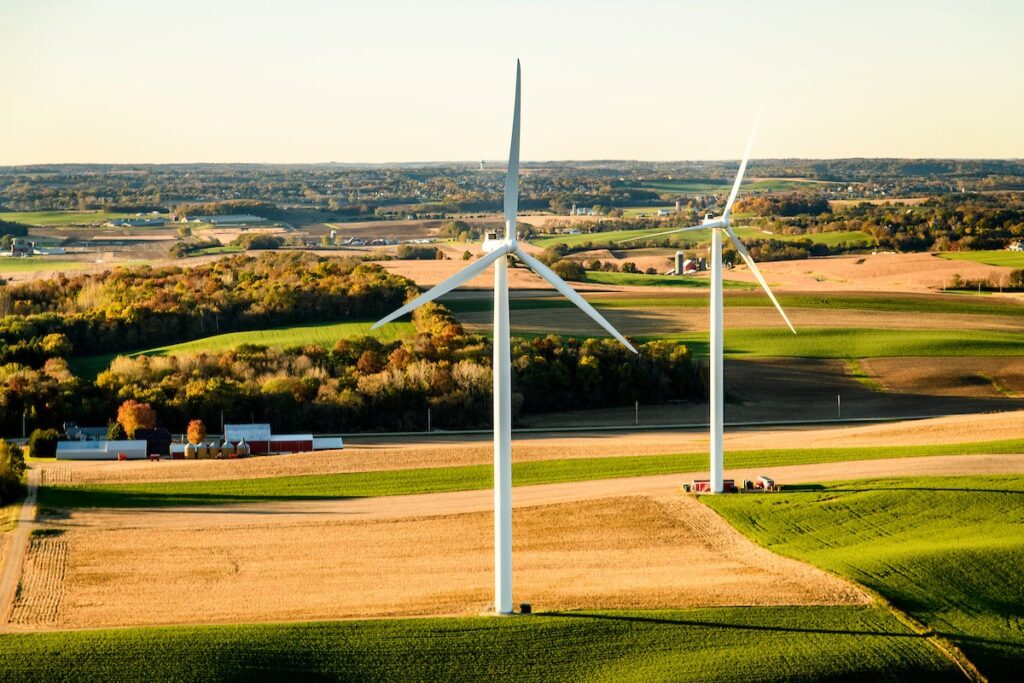
The proposed wind farm will feature over 40 turbines, collectively offering a 277-megawatt capacity. More than 300 local landowners have agreed to lease their land for this endeavor.
This project has been a long time in the making, with development spanning nearly five years, according to Alliant Energy. Project manager Justin Foss highlights the innovation involved, stating the venture will implement “the next generation of wind turbines,” which are both taller and larger.
Foss remarked on the advanced technology, noting, “A project like this, because it has these larger wind turbines that are able to grab more wind, is much more spread out.” He explained that previously, a similar output would have necessitated two to three times more turbines.
Although the cost is significant, Foss emphasized that the wind farm represents a “huge savings” for customers by eliminating the need to cover fluctuating fuel expenses. He projected savings could reach up to $463 million over the next 35 years.
From an economic standpoint, Alliant estimates the project will contribute over $100 million in tax revenue to Columbia County. Furthermore, Foss mentioned that lease payments would aid rural landowners in diversifying their income. The construction phase is expected to create 100 to 150 jobs, most of which are anticipated to be union positions.
Despite these benefits, the project has encountered some resistance. Last August, residents of Columbus voiced concerns over potential health and safety impacts, as well as issues of local governance. In response, Foss outlined efforts to engage with the community through educational presentations and feedback sessions.
Amy Barrilleaux, speaking on behalf of Clean Wisconsin, expressed support for the initiative, describing wind and solar as the “two cheapest ways to produce energy in this state.” She added, “You’re not paying to truck in coal or to pipe in liquefied natural gas.”
Nevertheless, Alliant’s energy strategy includes plans for natural gas investments. By 2024, the utility plans to transition its Sheboygan County coal plant to natural gas by 2028. Additionally, they have filed an application for a liquefied natural gas storage facility in Rock County.
Environmental advocates criticize such investments due to the climate and health impacts associated with natural gas. Barrilleaux urged, “Alliant Energy is doing the right thing by looking at wind and understanding how important it is to invest in that clean wind energy.” However, she cautioned against continued reliance on traditional fuels.
Foss reiterated the necessity of a balanced energy portfolio, noting, “We know that we can’t power Wisconsin with one single resource, or one single type of resource that really exposes everyone to risk if something were to happen.”
Alliant is optimistic about securing approval from the Public Service Commission early next year, with the aim of operationalizing the wind farm by the end of 2028.